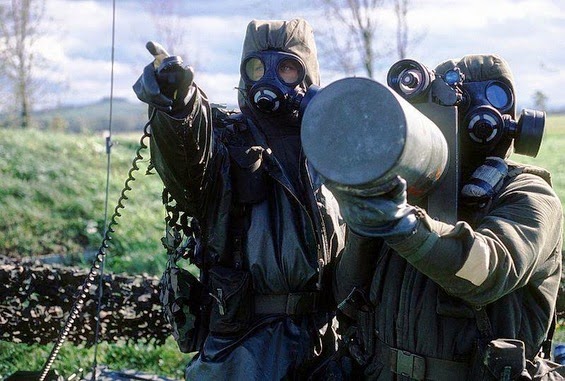
Dressing for War: Designing Tropical Combat Apparel
A lot of talk has been going on in recent years about the US’ “Asia-Pacific Pivot”, with the setting up of the US military base in Australia[1] and the trips made by senior US officials to countries in the region. Along with this, there have been preparations made[2] to design Personal Equipment[3] to suit the tropical climates[4] found in swathes of Southeast Asia. This essay hopes to shed some light on the design and materials that can be used by anyone in the pursuit of combat uniforms and protective garments suited for the tropics. It is intended that this essay be more of a practical, introductory guide to inform technical decision-making for those involved in such projects.
The table below illustrates the geographical regions that are considered “Tropical”.
Before one begins to design Tropical Combat Apparel of any sort, it is imperative to first understand the conditions to which they will be subjected to; conditions such as Relative Humidity, Temperature, Weather Patterns, and Terrain. These conditions should greatly influence the design and materials used in the uniforms and apparel.
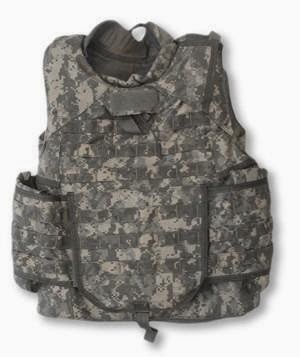
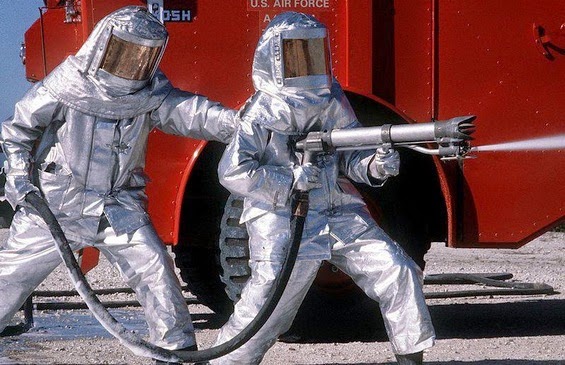
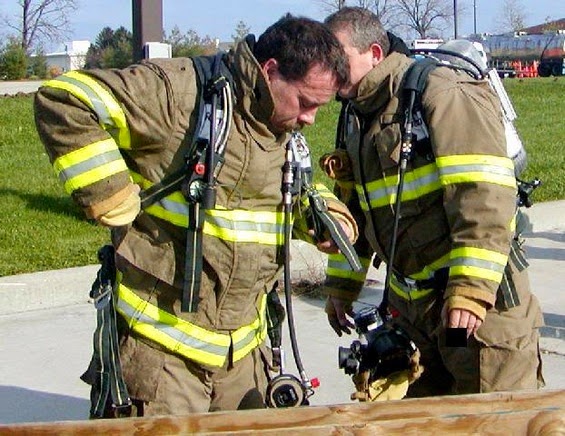
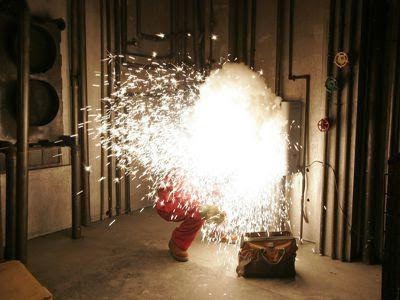
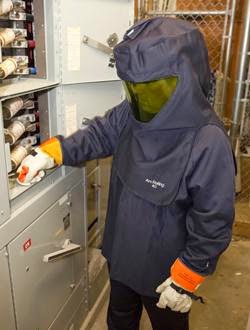
The term “Apparel” as used in this essay refers from all forms of fabric-based woven garments or equipment such as camouflage uniforms, t-shirts, shorts, undergarments (socks, briefs, boxers, inner vest, flash protection gear etc.), towels, scarves, raincoats, camouflage netting, Load-Bearing Vests, Plate Carrier Vests, Chest Rigs, Helmet Covers, or any other woven piece designed to be worn or carried by an individual soldier.
Relative Humidity
Relative Humidity in the tropical regions frequently goes into ranges of 80% to the high 90%. The high RH values commonly experienced in tropical climates severely impede evaporative cooling from the skin’s surface, often causing core body temperature to rise to dangerous levels. Heat injuries are extremely common in tropical climates, and are a major impediment to physical stamina as well as cognitive function. Wicking Rate and Air Permeability should be among the top factors to consider when selecting the appropriate fabric blends for the sweltering tropics.
Relative humidity also becomes an important consideration in the selection of materials to be used in tropical combat apparel as the high humidity prevents fabrics from drying out quickly. Fabrics will often be perpetually soaked in sweat, rain, mud and ambient vapour and can provide a fertile ground for bacteria and mould growth. This will have implications for field hygiene management, wound care, psychological morale and the durability of apparel. It is highly recommended that effective anti-fungal, anti-microbial fabric treatments be incorporated into the apparel, especially for the fabric layers worn next to skin.
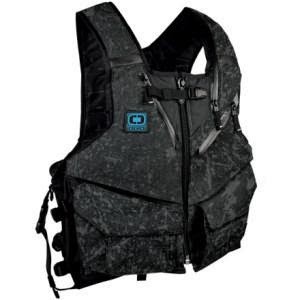
However, due to the extreme saturation of water vapour in tropical environments, designers should consider enhancing body heat dissipation via convective cooling - especially for load-bearing equipment such as body armour vests. This may be achieved via numerous strategies which raise the load-bearing equipment off the skin. Spacer vests[5], or similar designs which create air channels between the wearer’s body and additional layers of thicker, less breathable fabrics frequently used in the construction of load-bearing vests have the potential to drastically improve the microclimate next to wearers’ skin in order to reduce the impact of heat stress. It should be noted, however, that owing to the tropical rain and humidity, spacer vests or spacer designs should not be constructed out of absorbent materials such as mesh or open-cell foam as far as possible. This also applies to all padding located on shoulders, back, torso, knees, elbows, and also for footwear. Padding and spacer designs constructed out of absorbent mesh or absorbent foam have the potential to unnecessarily exacerbate discomfort, worsen field hygiene and increase the weight burden due to water retention.
Temperature
Temperatures in the Tropics are typically high all year round, and usually range between the mid 20 Degrees Celsius to the high 30 Degrees Celsius. The only notable exceptions to this pattern are the regions located further North like Northern Vietnam and Taiwan where temperatures may drop to the 10 to 15 Degrees Celsius range. While these values might sound fairly mild compared to the scorching summers in other climates around the world, it is important for design and material selection committees to bear in mind that this heat is often accompanied by the high relative humidity. It cannot be emphasized more that whatever fabrics and fabric treatment technologies developed for dry summer regions may produce very different results in the tropics because of the peculiar combination of high heat and high humidity.
That being said, in the process of design and selection of materials, it is useful to think of these factors separately in order to deal effectively with the challenges posed by each different factor, and to avoid the common tendency to conflate the two factors together and to refer to them as simply “high heat” - which has been the cause of numerous failed apparel designs that simply do not work as expected in the tropical climate.
General Weather Patterns
Precipitation is fairly high and relatively constant throughout the year at an approximate average of 60mm monthly. Tropical rainforest climates experience “Monsoon Seasons”. Without going into too much detail, designers should expect that wearers and their apparel will for several months be subjected to periods of relatively lower temperatures, higher wind speeds and copious amounts of rainfall. Thus, it is important that designers anticipate the potential impact on the performance of the apparel. All other factors being constant, it does appear that Dye Fastness has been noted to suffer more degradation than usual under the constant wetting and drying experienced in the tropics.
The high amount of precipitation experienced in the tropical environment also calls for designers to use materials or select fabric treatments that are non-absorbent, or even hydrophobic where possible. This is especially relevant when designing woven apparel such as bags, load-bearing vests, pouches, and footwear. Using open cell foam or highly absorbent textiles will retain rainwater, sweat, mud, and thus affect field hygiene and wearer comfort (refer to section on Relative Humidity). Greater attention to detail than usual should be paid to the selection of materials in this area.
Terrain
The unique terrain challenges also need to be addressed when designing combat apparel. Sharp, thorny, woody branches such as the rattan palm abound in the dense jungle. These puncture, hook onto fabrics and rip out threads as soldiers move through thick vegetation. This is an important consideration when choosing the weave and modulus of the fibres, which will influence the Tear Strength of the fabric blend.
The tropics are also host to a wide variety of Mosquitoes, Leeches, stingers and other parasites. Selecting the appropriate fabric treatments such as permethrin or other pyrethroids and anti-critter treatments, is absolutely non-negotiable. Not only do they cause immense discomfort, but they also carry a variety of debilitating infectious diseases like malaria, dengue or other inflammatory toxins. Bearing in mind the high amounts of precipitation (rainfall) in the tropics, it is also important to consider the leaching rate of such fabric treatments under tropical conditions.
Variations in temperature and wind speed based on elevation and location should also be borne in mind. Tropical terrain is often a good mix of highlands and lowlands, extremely thick vegetation and swathes of open farmland. Suffice to say, designing combat apparel to deal with the worst conditions in the tropical jungle should be the minimum standard.
It is also crucial to note that most Southeast Asian nations today will feature large sections of highly-urbanized areas like cities, and sparsely populated suburban areas connected by minor roads. That will be a very challenging factor to take into consideration when selecting the appropriate camouflage patterns to suit both, very different types of terrain.
Uniform Design
The design of the uniform should also be carefully considered, especially in the tropical rainforest. It can be just as important as the material selected itself. Although the design of the uniform may be constrained by your individual organization’s bearing and turnout standards, it is highly recommended that the design committee stress the need to prioritize practical considerations over excessive decorum, or to the greatest possible extent, integrate it into the design with the least compromise to functionality.
Where appropriate, it is worth considering a “combat shirt” design to be worn under body armor. In this fashion, panels of fabric covering the torso are to be constructed of fabric that is less durable or tear resistant, but with greater abrasion resistance, wicking, drying and air permeability. The advantages of adopting such a design are especially useful when Plate Carrier Vests are to be worn over the base layer uniform. Using a fabric that is more comfortable (i.e. less abrasive to the skin and quick-drying), will encourage and enable soldiers to don their PPE (Personal Protective Equipment) in the field for longer durations. Creating ventilation channels with effective spacer designs will also enhance the effectiveness of the combat shirt design.
Is not recommended that the collar be constructed out of the softer fabric (used for the torso and back panels) in a round neck, turtleneck, or mandarin collar design. This will leave the neck open to abrasions from weapon slings that often pull against the neck area. Weapon slings are often constructed out of nylon webbing that is of a far coarser thread. The softer material may be easily abraded by the weapon sling in short order. The material used to construct the sleeves should be likewise used for constructing the collar, with a zip closure design running up to the neck (like in a windbreaker). Such a design allows the collar to be folded down when necessary.
Suggested Material Characteristics
It is suggested that the materials used shall remain usable, durable and not degradable when undergoing the following conditions:
The table below illustrates the geographical regions that are considered “Tropical”.
 |
The term “Apparel” as used in this essay refers from all forms of fabric-based woven garments or equipment such as camouflage uniforms, t-shirts, shorts, undergarments (socks, briefs, boxers, inner vest, flash protection gear etc.), towels, scarves, raincoats, camouflage netting, Load-Bearing Vests, Plate Carrier Vests, Chest Rigs, Helmet Covers, or any other woven piece designed to be worn or carried by an individual soldier.
Relative Humidity
Relative Humidity in the tropical regions frequently goes into ranges of 80% to the high 90%. The high RH values commonly experienced in tropical climates severely impede evaporative cooling from the skin’s surface, often causing core body temperature to rise to dangerous levels. Heat injuries are extremely common in tropical climates, and are a major impediment to physical stamina as well as cognitive function. Wicking Rate and Air Permeability should be among the top factors to consider when selecting the appropriate fabric blends for the sweltering tropics.
Relative humidity also becomes an important consideration in the selection of materials to be used in tropical combat apparel as the high humidity prevents fabrics from drying out quickly. Fabrics will often be perpetually soaked in sweat, rain, mud and ambient vapour and can provide a fertile ground for bacteria and mould growth. This will have implications for field hygiene management, wound care, psychological morale and the durability of apparel. It is highly recommended that effective anti-fungal, anti-microbial fabric treatments be incorporated into the apparel, especially for the fabric layers worn next to skin.
However, due to the extreme saturation of water vapour in tropical environments, designers should consider enhancing body heat dissipation via convective cooling - especially for load-bearing equipment such as body armour vests. This may be achieved via numerous strategies which raise the load-bearing equipment off the skin. Spacer vests[5], or similar designs which create air channels between the wearer’s body and additional layers of thicker, less breathable fabrics frequently used in the construction of load-bearing vests have the potential to drastically improve the microclimate next to wearers’ skin in order to reduce the impact of heat stress. It should be noted, however, that owing to the tropical rain and humidity, spacer vests or spacer designs should not be constructed out of absorbent materials such as mesh or open-cell foam as far as possible. This also applies to all padding located on shoulders, back, torso, knees, elbows, and also for footwear. Padding and spacer designs constructed out of absorbent mesh or absorbent foam have the potential to unnecessarily exacerbate discomfort, worsen field hygiene and increase the weight burden due to water retention.
Temperature
Temperatures in the Tropics are typically high all year round, and usually range between the mid 20 Degrees Celsius to the high 30 Degrees Celsius. The only notable exceptions to this pattern are the regions located further North like Northern Vietnam and Taiwan where temperatures may drop to the 10 to 15 Degrees Celsius range. While these values might sound fairly mild compared to the scorching summers in other climates around the world, it is important for design and material selection committees to bear in mind that this heat is often accompanied by the high relative humidity. It cannot be emphasized more that whatever fabrics and fabric treatment technologies developed for dry summer regions may produce very different results in the tropics because of the peculiar combination of high heat and high humidity.
That being said, in the process of design and selection of materials, it is useful to think of these factors separately in order to deal effectively with the challenges posed by each different factor, and to avoid the common tendency to conflate the two factors together and to refer to them as simply “high heat” - which has been the cause of numerous failed apparel designs that simply do not work as expected in the tropical climate.
General Weather Patterns
Precipitation is fairly high and relatively constant throughout the year at an approximate average of 60mm monthly. Tropical rainforest climates experience “Monsoon Seasons”. Without going into too much detail, designers should expect that wearers and their apparel will for several months be subjected to periods of relatively lower temperatures, higher wind speeds and copious amounts of rainfall. Thus, it is important that designers anticipate the potential impact on the performance of the apparel. All other factors being constant, it does appear that Dye Fastness has been noted to suffer more degradation than usual under the constant wetting and drying experienced in the tropics.
The high amount of precipitation experienced in the tropical environment also calls for designers to use materials or select fabric treatments that are non-absorbent, or even hydrophobic where possible. This is especially relevant when designing woven apparel such as bags, load-bearing vests, pouches, and footwear. Using open cell foam or highly absorbent textiles will retain rainwater, sweat, mud, and thus affect field hygiene and wearer comfort (refer to section on Relative Humidity). Greater attention to detail than usual should be paid to the selection of materials in this area.
Terrain
The unique terrain challenges also need to be addressed when designing combat apparel. Sharp, thorny, woody branches such as the rattan palm abound in the dense jungle. These puncture, hook onto fabrics and rip out threads as soldiers move through thick vegetation. This is an important consideration when choosing the weave and modulus of the fibres, which will influence the Tear Strength of the fabric blend.
 |
The tropics are also host to a wide variety of Mosquitoes, Leeches, stingers and other parasites. Selecting the appropriate fabric treatments such as permethrin or other pyrethroids and anti-critter treatments, is absolutely non-negotiable. Not only do they cause immense discomfort, but they also carry a variety of debilitating infectious diseases like malaria, dengue or other inflammatory toxins. Bearing in mind the high amounts of precipitation (rainfall) in the tropics, it is also important to consider the leaching rate of such fabric treatments under tropical conditions.
Variations in temperature and wind speed based on elevation and location should also be borne in mind. Tropical terrain is often a good mix of highlands and lowlands, extremely thick vegetation and swathes of open farmland. Suffice to say, designing combat apparel to deal with the worst conditions in the tropical jungle should be the minimum standard.
It is also crucial to note that most Southeast Asian nations today will feature large sections of highly-urbanized areas like cities, and sparsely populated suburban areas connected by minor roads. That will be a very challenging factor to take into consideration when selecting the appropriate camouflage patterns to suit both, very different types of terrain.
Uniform Design
The design of the uniform should also be carefully considered, especially in the tropical rainforest. It can be just as important as the material selected itself. Although the design of the uniform may be constrained by your individual organization’s bearing and turnout standards, it is highly recommended that the design committee stress the need to prioritize practical considerations over excessive decorum, or to the greatest possible extent, integrate it into the design with the least compromise to functionality.
 |
Where appropriate, it is worth considering a “combat shirt” design to be worn under body armor. In this fashion, panels of fabric covering the torso are to be constructed of fabric that is less durable or tear resistant, but with greater abrasion resistance, wicking, drying and air permeability. The advantages of adopting such a design are especially useful when Plate Carrier Vests are to be worn over the base layer uniform. Using a fabric that is more comfortable (i.e. less abrasive to the skin and quick-drying), will encourage and enable soldiers to don their PPE (Personal Protective Equipment) in the field for longer durations. Creating ventilation channels with effective spacer designs will also enhance the effectiveness of the combat shirt design.
Is not recommended that the collar be constructed out of the softer fabric (used for the torso and back panels) in a round neck, turtleneck, or mandarin collar design. This will leave the neck open to abrasions from weapon slings that often pull against the neck area. Weapon slings are often constructed out of nylon webbing that is of a far coarser thread. The softer material may be easily abraded by the weapon sling in short order. The material used to construct the sleeves should be likewise used for constructing the collar, with a zip closure design running up to the neck (like in a windbreaker). Such a design allows the collar to be folded down when necessary.
Suggested Material Characteristics
It is suggested that the materials used shall remain usable, durable and not degradable when undergoing the following conditions:
- Operating Temperature: Range from -5ºC to 55ºC.
- Storage Temperature: Up to 65ºC and under cyclical elevated temperatures.
- Humidity. Up to 99% RH.
- Rain. 60mm/hr for an 8-hour period and 100mm/hr for a 2 hour period. The material shall be easy to dry.
- Contamination. Material shall not deteriorate when exposed to petrol, diesel, vehicle-oil, gearbox-oil or sunlight (UV Rays).
- Fungus. Protected against fungal growth throughout its useful life span. The material shall not disintegrate or peel off.
| Material Characteristics | Material Performance | Test Standards |
| Wicking Rate (cm after 5 mins) | >10 | BS EN ISO 6330 – 5A, Line dry /BS 3424-18: Method 21 *(modified) |
| Air Permeability (ft3/min/ft2) | >170 | ASTM D737 |
| Drying Rate (% after 60 mins) | >60% | JIS L1096 |
Conclusion
As major conflicts in time to come may once again be fought in the punishing tropical jungles, it would be wise for Personal Equipment designers to heed the lessons of Vietnam and the Jungle Conflicts of the Second World War where much was left to be desired from the state of their personal equipment’s suitability for the harsh tropical environment. With the proper preparation and judicious selection of materials and well-thought design, adapting to combat operations in the tropics can be a lot less costly.
References:
If you would like clarifications on certain design aspects that I touched on, or material recommendations and prototypes developed, you can get in touch with me via email: praetor-fenix@hotmail.com, or call/text/Whatsapp me at my phone +65 90558883. I am based in Singapore, and have served in the Singapore Army for 2 years, after which I worked with local defence contractors.
As major conflicts in time to come may once again be fought in the punishing tropical jungles, it would be wise for Personal Equipment designers to heed the lessons of Vietnam and the Jungle Conflicts of the Second World War where much was left to be desired from the state of their personal equipment’s suitability for the harsh tropical environment. With the proper preparation and judicious selection of materials and well-thought design, adapting to combat operations in the tropics can be a lot less costly.
References:
- [1]http://www.nytimes.com/2011/11/17/world/asia/obama-and-gillard-expand-us-australia-military-ties.html?pagewanted=all&_r=0
- [2] http://www.armytimes.com/article/20130604/NEWS/306040004/Hawaii-unit-re-establishing-jungle-warfare-school
- [3]https://www.fbo.gov/index?s=opportunity&mode=form&tab=core&id=3eabd3db449de028d0765f9a533316e2&_cview=0
- [4]https://www.fbo.gov/index?s=opportunity&mode=form&tab=core&id=4d01083844b0ee29920bfc6e38120fc1
- [5] http://oai.dtic.mil/oai/oai?verb=getRecord&metadataPrefix=html&identifier=ADA459877
If you would like clarifications on certain design aspects that I touched on, or material recommendations and prototypes developed, you can get in touch with me via email: praetor-fenix@hotmail.com, or call/text/Whatsapp me at my phone +65 90558883. I am based in Singapore, and have served in the Singapore Army for 2 years, after which I worked with local defence contractors.