Major Classifications/Branches of Technical Textiles
Authors: Taha Bin Yahya
Maaz Wasim Khan
Akram Ali
National Textile University, Faisalabad, Pakistan
Email: tahabinyahya@gmail.com
Maaz Wasim Khan
Akram Ali
National Textile University, Faisalabad, Pakistan
Email: tahabinyahya@gmail.com
Technical Textiles:
Technical Textiles are usually considered as those produced from specific materials by specific processes. This is true to some sense but not always. All those fabrics, which have any technical use, i.e. other than aesthetic appeal and body covering, are considered Technical Fabrics, despite of their raw material or manufacturing process. Technical Textiles are known by their end uses. They are usually, but not always, manufactured by special materials on special machines. You can also read of the above authors article about "Application of Technical Textiles."
Major Classifications of Technical Textiles:
Technical Textiles are generally classified as:
- › Mobiltech
- › Indutech
- › Medtech
- › Hometech
- › Clothtech
- › Agrotech
- › Buildtech
- › Packtech
- › Sporttech
- › Geotech
- › Protech
- › Oekotech
Transport textiles (MobilTech)
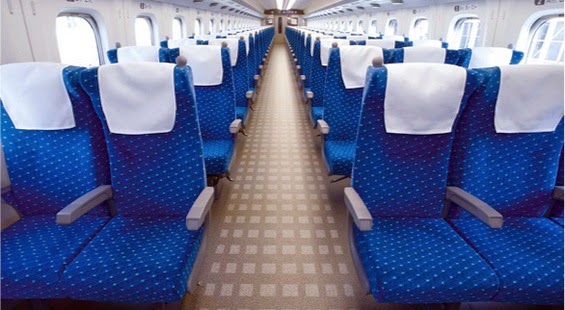
These textiles are used in the manufacture of automobiles and aircraft. Carbon composites are mostly used in the manufacture of aeroplane parts while carbon fiber is used for making higher end tyres. Nylon gives strength and its bursting strength being high is used as air bags in cars. High tensile polyester is used for making air balloons. Its applications are
 |
| Transportation textile |
- ›Tyre
- ›Belt
- ›Hose reinforcement
- ›Safety belts
- ›Air bags
- ›Composite reinforcements
o Automotive bodies
o Civil and military aircraft
- Bodies
- Wings
- Engine components
- ›Many other uses.
Textiles used directly in industrial processes or incorporated into industrial products. Textiles used for chemical and electrical applications and textiles related to mechanical engineering. Silk-screen printing, filtration, plasma screens, propulsion technology, lifting/conveying equipment, sound-proofing elements, melting processes, roller covers, grinding technology, insulations, seals & gaskets, fuel cell, Conveyor & Abrasive belts, Reinforcements for printed circuit boards etc.
 |
| Industrial textile |
These are commonly used in bandages and sutures (stitching the wounds). Not all the textile fibers can be used here, because their performances depend upon interaction with the cells and different fluids produced by the body. Sutures and wound dressings use fibers like silk and other synthetic fibers. Hollow synthetic fibers are used with nano or very small particles and are used for the delivery of drugs to any specific part of the body to prevent over dosage. Cotton, silk polyester, polyamide are also used in medical applications.
 |
| Medical Textile |
- › Wipes
- › Babies’ diapers (nappies)
- › Adult sanitary and incontinence products
- › Sterilisation packs
Textiles used in a domestic environment - interior decoration and furniture, carpeting, protection against the sun, cushion materials, fireproofing, floor and wall coverings, textile reinforced structures/fittings.
 |
| Home textiles |
- › Bedding
- › Sleeping bags
- › To replace foams in furniture
- › Carpet and furniture backings
- › Curtain header tapes
Technical textiles for clothing applications especially in the finishing process where fabric is treated under pressure and high temperature the technical textile supports the fabric for smooth processing. This is usually the blend of polyester. Also
 |
| Clothtech |
- › Sewing threads
- › Interlinings
- › Waddings
- › Insulation
Textiles used in Agriculture are termed as agro textiles. They are used for crop protection, fertilization, etc. The essential properties required are strength, elongation, stiffness, and bio-degradation, resistance to sunlight and resistance to toxic environment. All these properties help with the growth and harvesting of crops and other foodstuffs. There is a growing interest in using materials which gradually degrade (biodegradables). Its products are
 |
| Agro textile |
- › Nets, ropes, lines
- › Covering, protection
- › Containment applications
- › Drainage and land reclamation
- › Protective clothing for employees
- › Transport textiles for tractors and lorries
- › Conveyor belts, hoses, filters
- › Composite reinforcements
o Silos, tanks and piping
Construction - building and roofing (BUILDTECH)
Textiles used in construction - concrete reinforcement, façade foundation systems, interior construction, insulations, proofing materials, air conditioning, noise prevention, visual protection, protection against the sun, building safety.
An interesting and aesthetic appealing application is the use of textile membranes for roof construction. This area is also referred to as textile architecture. PVC coated high tenacity PES, teflon coated glass fiber fabrics or silicone coated PES are used for their low creep properties. Splendid examples of such construction are found in football stadia, airports and hotels.
Packtech includes several flexible packing material made of textile used for packing various goods for industrial, agricultural, consumer and other goods. It ranges from polymer based bags used for industrial packing to jute based sacks used for packaging food grains and packaging used for tea.
Sports textile is one of the branch of technical textile. Now a days sophisticated technology are used in technical textile to produce sports wear. Textile has done it successfully . Hi-tech textiles in sport are nothing new.
These are used in reinforcement of embankments or in constructional work. The fabrics in geo textiles are permeable fabrics and are used with soils having ability to separate, filter, protect or drain. The application areas include civil engineering, earth and road construction, dam engineering, soil sealing and in drainage systems. The fabric used in it must have good strength, durability, low moisture absorption and thickness. Mostly nonwoven and woven fabrics are used in it. Synthetic fibers like glass, polypropylene and acrylic fibers are used to prevent cracking of the concrete, plastic and other building materials. Polypropylene and polyester are used in geo textiles and dry/liquid filtration due to their compatibility. Some common examples are
Protection against heat and radiation for fire fighter clothing, against molten metals for welders, for bullet proof jackets etc, all these things are obtained by usage of technical textiles with high performance fibers. In bullet proof jackets, special fiber aramid are used which have high tenacity, high thermal resistance and low shrinkage. Glass fiber is also used in fire proof jackets due to its high strength, chemical and flame resistance. Protective clothing is also used by the astronauts when they go in space. It was used by the astronauts when they went on moon, their suits where covered with special chemicals including lead to protect them from sun heat, their suit not only made from special fibers but their airship was also lined with special fabric. It provides protection against
New applications for textiles in environmental protection applications - floor sealing, erosion protection, air cleaning, prevention of water pollution, water cleaning, waste treatment/recycling, depositing area construction, product extraction, domestic water sewerage plants.
Textiles used in construction - concrete reinforcement, façade foundation systems, interior construction, insulations, proofing materials, air conditioning, noise prevention, visual protection, protection against the sun, building safety.
 |
| Buildtech |
- › Construction of buildings, both permanent and temporary, dams, bridges, tunnels and roads.
- › Tents, marquees and awnings.
- › Architectural membrane
- Semi-permanent structures
- Sports stadia, exhibition centres
- › Roofing applications
- › Building and equipment insulation
- › Wall panels, septic tanks and sanitary fittings
- › Glass in bridges
Packtech includes several flexible packing material made of textile used for packing various goods for industrial, agricultural, consumer and other goods. It ranges from polymer based bags used for industrial packing to jute based sacks used for packaging food grains and packaging used for tea.
 |
| Packtech |
- Sacs
- Fertiliser, sand, cement, sugar, flour to dyestuffs
- › Wrapping and protection applications
- › Tea and coffee bags
- › Nonwoven insert
- › Knitted net packaging
- › Silos, containers
- › Canvas covers, marquee tents.
Sports textile is one of the branch of technical textile. Now a days sophisticated technology are used in technical textile to produce sports wear. Textile has done it successfully . Hi-tech textiles in sport are nothing new.
 |
| Sports textile |
- Shoes
- › Artificial turf used in sports surfaces
- › Advanced carbon fibre composites
- Racquet frames, fishing rods, golf clubs and cycle frames
- › Balloon fabrics, parachute and paraglider’s fabrics and sailcloth
These are used in reinforcement of embankments or in constructional work. The fabrics in geo textiles are permeable fabrics and are used with soils having ability to separate, filter, protect or drain. The application areas include civil engineering, earth and road construction, dam engineering, soil sealing and in drainage systems. The fabric used in it must have good strength, durability, low moisture absorption and thickness. Mostly nonwoven and woven fabrics are used in it. Synthetic fibers like glass, polypropylene and acrylic fibers are used to prevent cracking of the concrete, plastic and other building materials. Polypropylene and polyester are used in geo textiles and dry/liquid filtration due to their compatibility. Some common examples are
 |
| Geotextile |
- › Geosynthetics
- Geotextiles
- Geogrids
- Geomembranes
- › Building of railway and road cuttings
- › Embankments with steeper sides
Protection against heat and radiation for fire fighter clothing, against molten metals for welders, for bullet proof jackets etc, all these things are obtained by usage of technical textiles with high performance fibers. In bullet proof jackets, special fiber aramid are used which have high tenacity, high thermal resistance and low shrinkage. Glass fiber is also used in fire proof jackets due to its high strength, chemical and flame resistance. Protective clothing is also used by the astronauts when they go in space. It was used by the astronauts when they went on moon, their suits where covered with special chemicals including lead to protect them from sun heat, their suit not only made from special fibers but their airship was also lined with special fabric. It provides protection against
 |
| Safety textile |
- › Cuts, abrasion, ballistic
- › Stab wounds and explosions, fire & extreme heat
- › Hazardous dust and particles
- › Nuclear, biological and chemical hazards
- › High voltages and static electricity
- › Foul weather, extreme cold and poor visibility
- › Instruments
New applications for textiles in environmental protection applications - floor sealing, erosion protection, air cleaning, prevention of water pollution, water cleaning, waste treatment/recycling, depositing area construction, product extraction, domestic water sewerage plants.
 |
| Ecological protection textiles |
- › Filtration media
- › Erosion protection
- › Sealing of toxic waste
- › Minimising water loss from the land
- › Reducing the need for use of herbicides by providing mulch to plants
- › Reducing weight in transport and construction